Want to have a new roof? Which material will work best for you? Making the right decision about what kind of roof you have is exceptionally important, as it would save you from regrets later. In this blog, you will explore 10 different roofing materials in the USA and their pros and cons, which will help you make the best choice for yourself.
Comprehensive Guide to Roofing Materials and Their Pros and Cons
Choosing the right roofing material is crucial before starting the installation process. At Grayson County Roofing Systems LLC, we know that making the wrong decision at the wrong time can lead to costly repairs, frustration, and leak damage.
So, let’s explore various types of roofing and their pros and cons.
- Asphalt Shingles
Asphalt shingles are the USA’s most commonly used and readily available roofing material. Finding a contractor to install asphalt shingles is relatively easy, as they are the affordable roofing choice of the masses. Further, fiberglass or organic material, such as cellulose, works best, and there are various pros and cons of asphalt shingles.
Pros of Asphalt Shingles:
- Available in a variety of shapes and colors.
- Inexpensive roofing material.
- Readily available, so hiring a contractor is easy.
Cons of Asphalt Shingles:
- Shortest Life span
- Prone to rainfall and storm damage
- Need Annual maintenance

- Clay Tiles
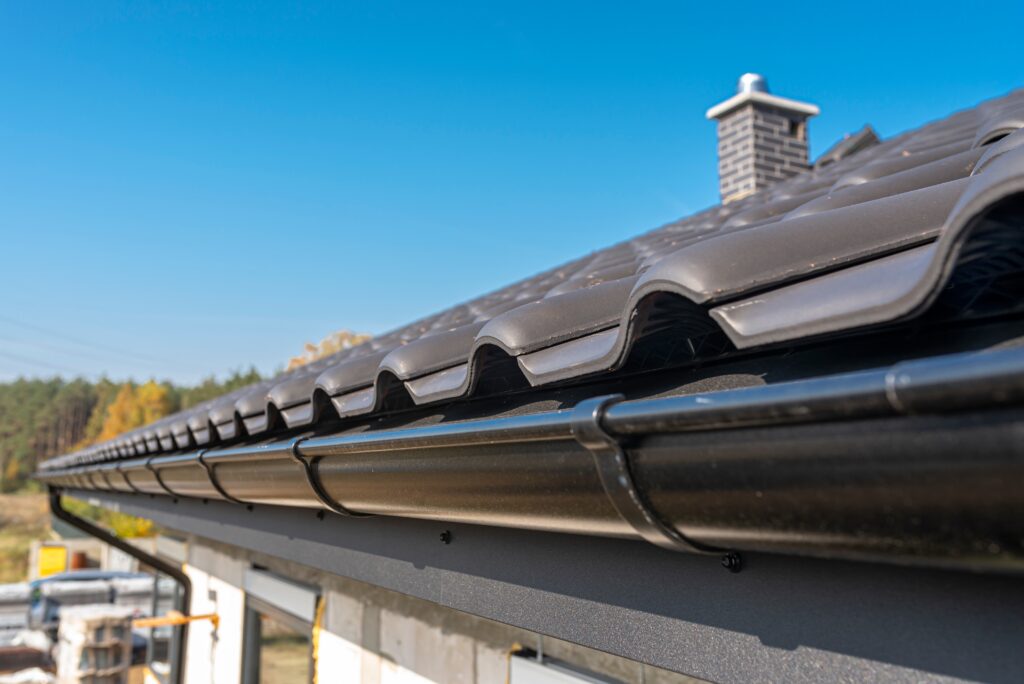
Clay tiles have long been used as roofing materials in various housing projects. They are effective roofing materials.
Pros of Clay Tiles:
- Shrug off wire, wind, and sun damage.
- Durable and long-lasting.
Cons of Clay Tiles:
- Heavy
- Need structural reinforcement to carry the weight

- Concrete Roofing
Concrete roofing is also often used as an alternative to clay tiles, especially in areas where wildfires are common. It provides evidence of strength, reliable shelter, and aesthetic appeal.
Pros of Concrete Roofing:
- Long-lasting and durable
- Offers Aesthetic Appeal
Cons of Concrete Roofing:
- Expensive
- Requires a firm underlying structure

- Standing Seam Metal Roofing
A standing seam is a metal roof system with a series of panels joined together using a clip at various intervals. It’s a recommended roofing system for residential housing, but the structure is supposed to be strong enough to hold a metal roofing system.
Pros of Standing Seam Metal Roofing :
- Durable and leak-proof
- Durable
- High curb appeal
- Long-lasting
Cons of Standing Seam Metal Roofing:
- Makes noise during rainfall
- Hard to repair
- Expensive
- Potential of Oil Canning

- Metal Roofing Shingles
Although standing seam metal roofing is popular among the masses, metal shingles are also a good option for roofing, as, due to their small size, they can take any shape and are visually appealing as well.
Pros of Metal Shingles Roofing:
- Durable
- Long lasting
Cons of Metal Shingles Roofing:
- Expensive
- Prone to dents and damage
- High maintenance costs

- Solar Shingles
You might have seen solar panels placed over the roofs in your neighborhood. Solar shingles also exist, which produce a considerable amount of energy to run a home. Although they are less noticeable, they could be an effective and energy-efficient roofing material.
Pros of Solar Shingles Roofing:
- Produces up to 80 watts of energy
- Aesthetically pleasing
Cons of Solar Shingles Roofing:
- Installation challenge
- Costly

- Green Roof
Green roofs are becoming increasingly popular, considering their eco-friendly properties and reduced urban heat island effect. They are gardens on top of buildings, usually observed in commercial facilities, but could also be made in residential properties. If the green roof is installed correctly and maintained, it could last 50 years.
Pros of Green Roof :
- Improved air quality
- Habitat for wildlife
- Reduced urban heat island effect.
Cons of Green Roof :
- Installation challenge
- Requires Proper Maintenance
- Irrigation and weed control are to be carried out.

- Synthetic Wood and Slate
Various materials, such as rubber, wood, or plastic, are used for roofing, but they look like slate. Therefore, they give the aesthetic appeal of organic materials without being structurally burdensome like them.
Pros of Synthetic Wood and Slate:
- Aesthetic appeal
- Strong and inexpensive
Cons of Synthetic Wood and Slate:
- Newer products are not as reliable as traditional.

- Cedar Shake Roofing
A cedar shake roof is a premium natural wood material often grown in the northern United States and southern Canada. It is a strong material used for roofing as it has high curb appeal.
Pros of Cedar Shake Roofing:
- Very High Curb Appeal
- Durable
Cons of Cedar Shake Roofing:
- Loses its fresh color over time
- Needs annual maintenance
- Cedar shakes may rot, cracka nd curl with age
- No warranty

- EPDM Roofing
EPDM roofing: Ethylene Propylene Diene monomer is a widely used roofing material, especially installed over the roofs of medical and commercial facilities. It is also becoming quite popular for residential buildings, but those with low slopes.
Pros of EPDM Roofing:
- Eco-friendly material
- Durable and long-lasting
- Stands up well to Storm damage
Cons of EPDM Roofing:
- Expensive
- Absorbs Heat
- It is energy efficient

Conclusion
Roofing is an essential element of your house as it provides shelter and symbolizes comfort and protection for your home. So, before choosing the roofing material, consider a brief analysis of the cost of roofing materials and other factors, and then select the best roofing material.
FAQs
Which is the most common roofing material in the USA?
The most common roofing material in the USA is asphalt shingles. Still, a recent shift has been observed, with people preferring other roofing materials, such as metal or green roofing.
What should you consider apart from the material while getting a roof installation?
While getting a roof installation, you should consider the material, labor cost, crew size, and warranty, if there’s any, for roof damage or leaks.
Why are asphalt shingles so standard in the US?
The US has the largest do-it-yourself culture, and people tend to install their roofs. Asphalt shingles are easy to install and are most commonly used.
Which is the most inexpensive roofing material in the US?
Shingles are the most inexpensive roofing material in the US, making them a cost-effective choice for residential roofing needs.
Which type of roofing is the best for the US climate?
The type of roofing you choose depends on your region’s climate. Stone-coated or clay tiles work best in a hot, arid climate, while metal or green roofing is a good choice for the US climate, offering durability and longevity.