A new roof does more than protect your home; it improves structural integrity, boosts curb appeal, and increases property value. On average, homeowners spend between $5,000 and $15,000 on a roofing project. However, this is only a general estimate. The final cost depends on several factors, including the roofing material, roof size, labor requirements, location, and whether the project involves a new roof installation or a roof replacement.
If you’re planning an upcoming roofing project, this guide by Grayson County Roofing Systems LLC will help you understand what impacts roofing costs and how to budget effectively.
Budgeting for a New Roof: Costs, Calculations & Key Considerations
Whether your roof is nearing the end of its lifespan or storm damage has made replacement necessary, understanding the factors below will give you a clearer idea of the total investment required.
Roofing Material
The type of material you choose has the biggest impact on overall cost. Prices vary based on durability, lifespan, and installation complexity.
Average estimated material costs per square foot:
- Asphalt Shingles: $1.00–$1.20
- Corrugated Metal: $1.00–$5.00
- Metal Shingles: $3.00–$6.00
- Wooden Shakes: $6.00–$9.15
- Clay Tiles: $10.00–$20.00
- Concrete Tiles: $10.00–$20.00
- Natural Slate: $20.00–$35.00
Roof Size
Larger roofs require more materials and labor, which increases the overall cost. Below are estimated total roofing costs based on roof size:
- 1,200 sq ft: $3,600–$18,000
- 1,500 sq ft: $3,360–$23,520
- 2,000 sq ft: $4,480–$31,360
- 2,500 sq ft: $5,600–$39,200
- 3,000 sq ft: $6,720–$47,040
Note: These estimates may include materials and labor, depending on the roofing system selected.
Labor Costs
Labor typically accounts for 50%–60% of the total roofing budget. While simple asphalt shingle installations are more affordable, complex projects, such as metal roofing, skylight installation, or seamless gutter and siding installations, require specialized expertise and command higher labor costs.
Design Complexity
Roof designs with steep slopes, multiple valleys, chimneys, dormers, or skylights increase installation difficulty and safety risks. As a result, complex roof designs are more expensive than standard flat or low-slope roofs.
Old Roof Removal and Disposal
For roof replacements, contractors charge extra for removing the existing roofing materials and disposing of debris properly. This step is not required for new construction projects.
Building Permits
Most roof installations and replacements require permits to meet local building codes. Permit costs typically range from $50 to $500, depending on your municipality.
Structural Reinforcements
Upgrading to heavier roofing materials such as slate, metal, or green roofing may require additional structural support. Reinforcing the roof structure adds to the overall cost but ensures long-term safety and durability.
Ventilation Work
Improper ventilation can shorten a roof’s lifespan. Many homeowners choose to upgrade or replace ventilation systems during projects, which can add several hundred to over $1,000 to the total cost.
Gutter System Replacement
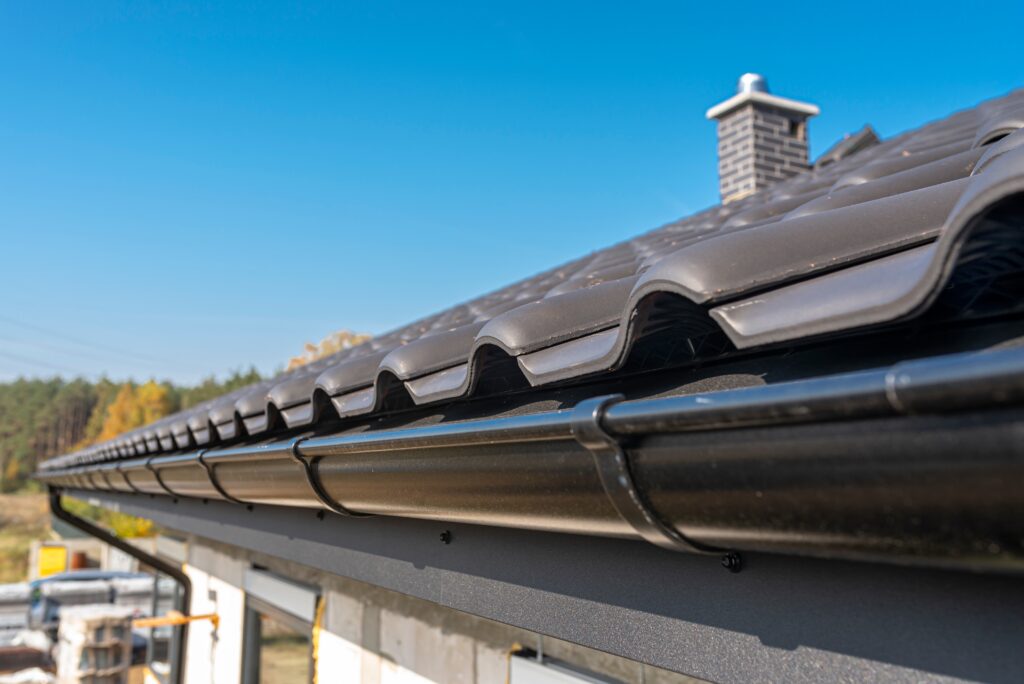
Roof replacements are often paired with gutter system upgrades. Professional Gutter replacement typically costs between $2,000 and $6,000, depending on material and home size.
Your Location
Costs vary by location. Urban areas with higher living costs and labor demand tend to have higher prices compared to smaller towns or rural areas.
Conclusion
The cost of roofing your home depends on multiple factors, including material choice, roof size, labor, permits, and location. While the average roof installation ranges from $5,000 to $15,000, additional services such as structural reinforcement, ventilation upgrades, and gutter replacement can increase the final price. Understanding these variables allows you to plan your budget more accurately and avoid unexpected expenses.
FAQs
How long does a roofing project take?
Most projects take 2 to 7 days, depending on roof size, material type, and weather conditions.
What factors affect the roofing timeline?
Weather, crew size, roof complexity, and material availability all influence how long a project takes.
How can I reduce the cost of a roofing project?
Scheduling work during the off-season, choosing cost-effective materials, and checking insurance coverage for storm damage can help lower costs.
Does homeowners’ insurance cover roof replacement costs?
Homeowners insurance may cover roof replacement if the damage is caused by a covered event such as storms, hail, or falling debris. Normal wear and tear or aging roofs are typically not covered.
How often should a roof be replaced?
Most roofs last 20–30 years, depending on the material used, weather conditions, and maintenance. Asphalt shingles usually need replacement sooner than metal, tile, or slate roofs.