Your roof is your home’s first line of defense against rain, wind, heat, and storms, and it’s one of the most expensive components to replace. While many roofing systems can last 20 years or more, that kind of lifespan doesn’t happen by accident. It takes consistent roof maintenance, early problem detection, and routine professional inspections.
In this guide, the experts at Grayson County Roofing Systems LLC explain how to maintain a roof properly, spot early signs of roof damage, and follow proven roof lifespan tips to protect your investment.
Why Preventive Roof Maintenance Matters
The average roof replacement can cost thousands of dollars, depending on size, materials, and labor. The good news? Many major roofing problems start small and are preventable. A simple preventive roof maintenance routine can help you avoid leaks, structural damage, and premature roof failure.
Spending just a few hours each season checking key areas can significantly reduce long-term repair costs and help extend roof life.
Seasonal Roof Maintenance Checklist
Performing seasonal roof maintenance twice a year, once in spring and once in fall, helps catch issues before extreme weather makes them worse.
1. Gutter Cleaning for Roof Health
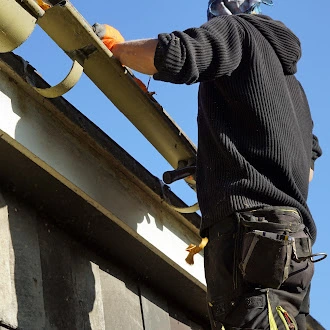
Clogged gutters can cause water to back up under shingles, leading to rot and roof leaks. Make sure gutters and downspouts are clear of leaves, twigs, and debris so rainwater can drain properly.
2. Trim Overhanging Branches
Tree branches that hang over your roof can scrape shingles, drop debris, and create easy access for pests. Trimming branches back reduces wear and helps with roof leak prevention.
3. Check for Moss and Algae Growth
In humid climates, moss and algae can grow on roofing materials and trap moisture. This can cause shingles to deteriorate over time. Instead of DIY scraping, consider professional soft washing to safely remove growth without damaging shingles.
4. Inspect Shingles from the Ground
Use binoculars to look for:
- Missing shingles
- Curling or cracked shingles
- Dark patches or uneven areas
These are common signs of roof damage that may require repairs.
Interior Roof Maintenance Steps
Roof care doesn’t stop outside. Your attic plays a major role in protecting your roofing system.
Ensure Proper Attic Ventilation
Poor ventilation allows heat and moisture to build up, which can weaken roofing materials and lead to mold growth. Proper airflow helps regulate temperature and supports shingle roof maintenance.
Reinforce Attic Insulation
Good insulation prevents heat from escaping through the roof in winter. This reduces the risk of ice dams, which can force water under shingles and cause leaks.
Key Areas to Inspect on Your Roof
Adding these items to your roof inspection checklist can prevent costly repairs.
Flashing and Sealant
Flashing protects vulnerable areas like chimneys, vents, and skylights. If flashing becomes loose or sealant cracks, water can seep in. Addressing these issues early is essential for roof leak prevention.
Roof Penetrations and Vents
Check around vents, pipes, and exhaust outlets for gaps or deterioration. These areas are common leak points.
Fix Roofing Problems Immediately
Small problems quickly become expensive ones. If you notice damaged shingles, loose flashing, or water stains, schedule repairs right away. Prompt attention is one of the most effective roof lifespan tips homeowners can follow.
Schedule Professional Roof Inspections
Even if your roof looks fine from the ground, hidden issues can exist. Booking a professional inspection every 2–3 years ensures minor problems are caught early. Roofing experts know exactly how to maintain a roof safely and thoroughly, identifying damage most homeowners would miss.
Signs of Roof Damage: What to Watch For
Call a roofing professional if you notice:
- Missing, cracked, or curling shingles
- Sagging or uneven roof lines
- Water stains on ceilings or walls
- Loose or rusted flashing
- Unexplained increases in energy bills
- Daylight is visible through the attic roof boards
These warning signs often indicate leaks, insulation issues, or ventilation problems.
Conclusion: Small Steps, Longer Roof Life
Consistent roof maintenance is the key to getting the full lifespan out of your roofing system. Simple steps like cleaning gutters, trimming branches, checking flashing, and scheduling inspections can prevent serious damage and extend your roof’s life well beyond 20 years.
If you’re unsure about your roof’s condition or want a professional assessment, the team at Grayson County Roofing Systems LLC is here to help with thorough inspections, maintenance, and repairs.
FAQs
Can I replace a shingle myself?
Minor shingle replacement may be possible on low-slope roofs, but working at heights is dangerous. Improper repairs can also void warranties. It’s safest to hire a professional roofer.
How long does a professional roof inspection take?
Most inspections take between 45 minutes and two hours, depending on roof size, slope, and materials.
What is the most affordable roofing material?
Asphalt shingles are typically the most budget-friendly roofing option due to their low cost, durability, and ease of installation.
How often should roof maintenance be performed?
Homeowners should perform basic visual roof checks twice a year, typically in spring and fall. Professional roof inspections are recommended every 2–3 years, or after major storms, to ensure hidden damage is detected early.
Does roof maintenance really extend roof lifespan?
Yes. Routine maintenance helps prevent leaks, structural damage, and material deterioration. Addressing minor issues early can add years to your roof’s life and significantly delay the need for a full replacement.